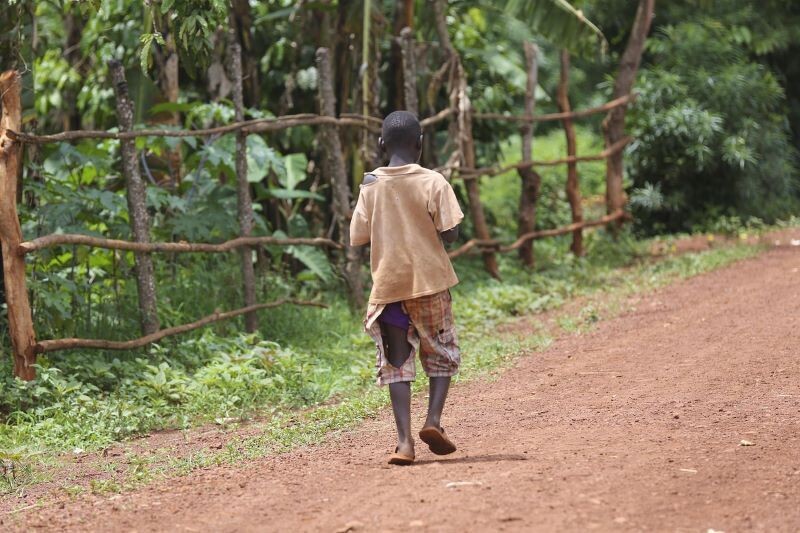
A new two-decade analysis of the Global Hunger Index (GHI) warns of a global stagnation in the fight against malnutrition and an increase in the cost of healthy diets. While Latin America achieved historic progress until 2016, the recent Global Hunger Index shows a loss of momentum with critical malnutrition hotspots in Central America. The report highlights that factors such as conflicts, internal displacements, and the climate crisis continue to erode food security in countries like Colombia, where 7.8 million people faced high levels of food insecurity in 2024. The report also identifies situations of extreme vulnerability in specific nations. In El Salvador, work is highlighted in municipalities like Masahuat to strengthen women's autonomy through the production of ecological vegetables. The organization, citing beneficiaries like Maritza Flores in the third person, points out that these efforts allow families to move from dependence on irregular incomes to generating sustainable livelihoods. After reviewing 20 years of evidence, the report concludes that hunger persists not due to a lack of technical solutions, but because of the lack of full and sustained implementation of national policies. This situation places the world at a 'moderate' level of hunger, but with alarming projections indicating that the Zero Hunger goal will not be achieved until 2137 if current trends continue.