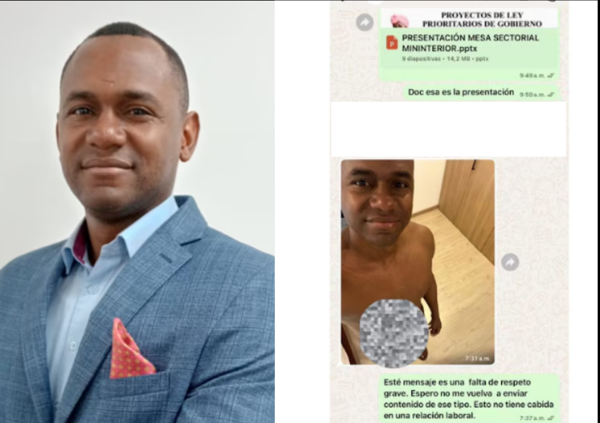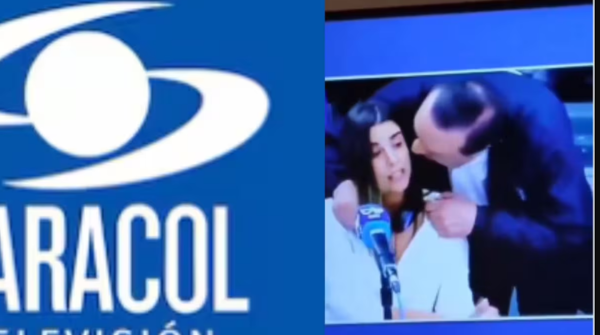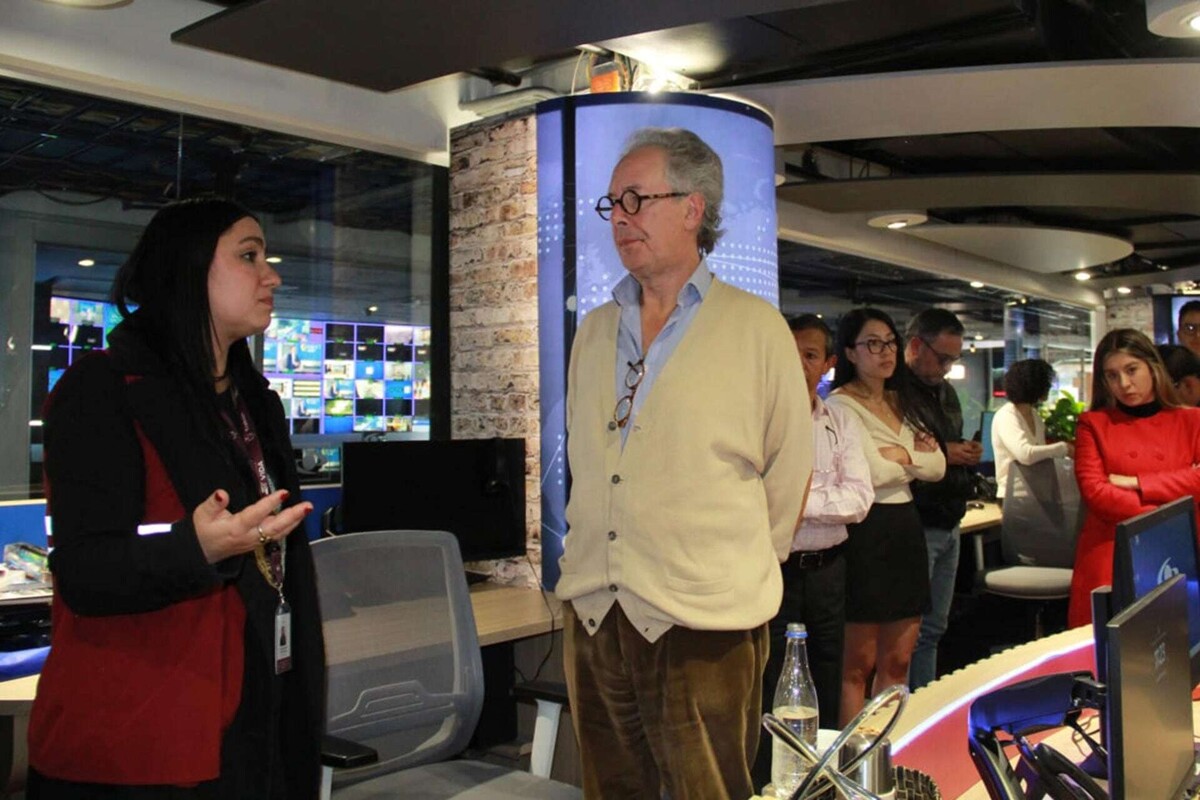
The Ministry of Labor of Colombia began this Thursday inspections of the media to verify labor conditions following sexual harassment complaints that have rocked the country's journalistic sector since last week. "The inspection includes documentary verification, a tour to review safety and health conditions at work, and dialogue with workers," the Ministry explained on X. The inspections will continue at RCN, RTVC, and other media outlets in the country. The first intervention was carried out at Caracol Televisión, and will continue with visits to RCN, RTVC, and other public and private media outlets in the country to review labor conditions and protocols for preventing gender-based violence, the Ministry of Labor stated in a communiqué. According to Vice Minister Muñoz, "the purpose of this inspection is not to issue sanctions" but to make the workplace better in order to "comply with the standards that guarantee the rights of workers." According to the information from the labor ministry, the inspection follows the standards of ILO Convention 190, with the objective of preventing harassment and guaranteeing safe working environments. Goodbye to silence Since last Friday, public complaints of alleged sexual harassment in the media have emerged in Colombia, leading to internal investigations, statements from the guild, and institutional actions. In the case of Caracol Televisión, the channel announced the departure of presenter Jorge Alfredo Vargas by mutual agreement and the dismissal of sports journalist Ricardo Orrego, following the complaints known last week. Likewise, the Attorney General's Office opened an "investigative initiative" and enabled a channel to receive complaints, in order to advance the investigations with a gender focus and avoid the revictimization of affected persons. In turn, the People's Defender warned that sexual harassment in the country has a structural nature and that six out of every ten women journalists have suffered gender-based violence in their workspaces. Against revictimization The complaints have also motivated a public letter from more than 40 women journalists and the activation of initiatives such as #MeTooColombia, which seek to make these cases visible and promote safe conditions for reporting. The letter from the women journalists points to Hollman Morris, a friend of Colombian President Gustavo Petro and manager of the public media system RTVC, one of the companies that will be inspected by the Ministry of Labor. Eight years ago, Morris was accused of sexual harassment by Lina Castillo, who was then a member of the Colombia Humana party, founded by Petro. After that complaint, Morris filed an action for slander and defamation against her, a process that has been cited by the signatories as an example of possible scenarios of revictimization, since the judicial system has Castillo under accusation and the accused on the bench of the accusers. "It is urgent to guarantee safe conditions and justice with a gender focus for victims who report harassment in journalistic practice," the signatories stated, including María Jimena Duzán, Jineth Bedoya Lima, and Catalina Ruiz-Navarro.