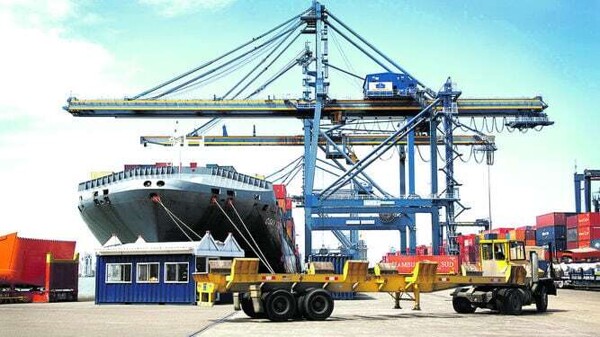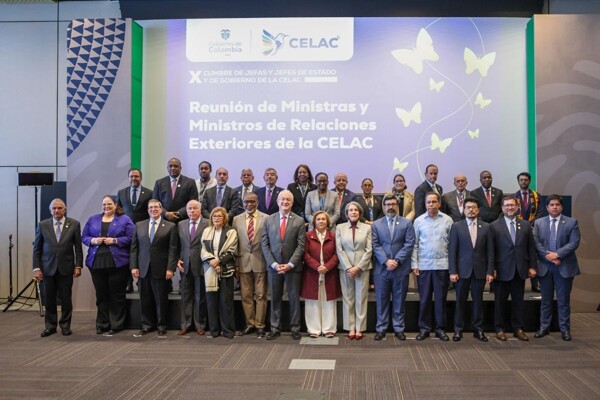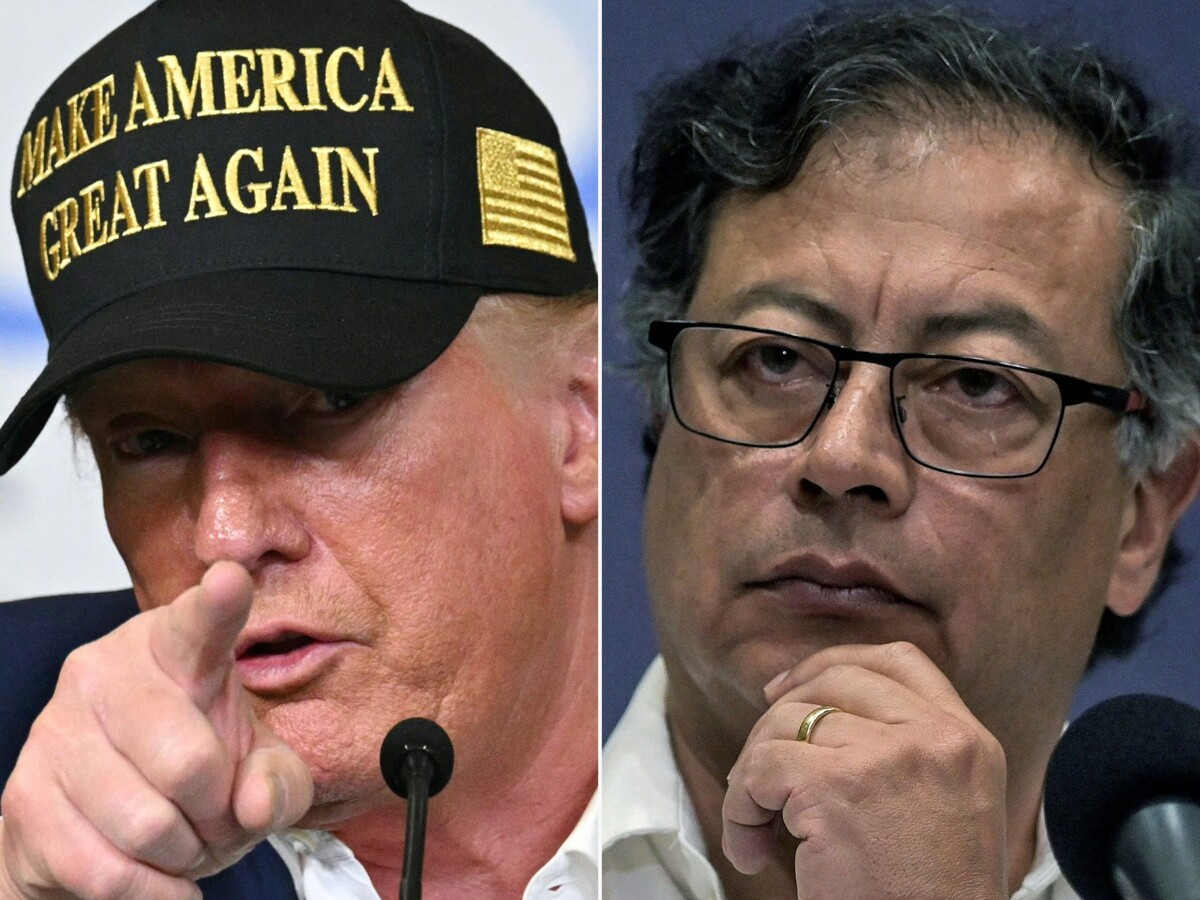
The region's anti-drug agenda was shaken again in recent hours by three moves of major political and operational impact: in Colombia, an AP report revealed that President Gustavo Petro was labeled by the DEA a 'priority target' within an open investigation in New York into alleged links with drug traffickers; in Venezuela, interim President Delcy Rodríguez ousted long-time Defense Minister Vladimir Padrino López, a central figure in the chavist machinery; and in Chile, an investigation at the port of Arica allowed the detection of 68.7 tons of cargo contaminated with cocaine and ketamine, coming from Bolivia and destined for Germany, Italy, and Mexico. The events in Arica are not an isolated case, but a sign of how the regional business continues to adapt, mixing political power, state infrastructure, and new forms of criminal concealment. However, to date, no formal charges have been brought against the president, and Colombia's own embassy in Washington described these reports as anonymous and unverified. Petro, for his part, categorically denied any links to drug trafficking. This judicial focus also appears in a context of an already open political clash between Bogotá and Washington. Against this backdrop, the revelation about the DEA does not appear as an isolated episode, but as a new escalation within a bilateral confrontation that was already laden with sanctions, distrust, and an increasingly harsh rhetoric. In Venezuela, meanwhile, the news was the departure of Vladimir Padrino López from the Ministry of Defense after eleven years at the helm of the military structure. Reuters reported that Delcy Rodríguez appointed General Gustavo González López in his place, a veteran of the intelligence and counterintelligence apparatus, former head of the DGCIM, and also sanctioned by the United States and the European Union for human rights violations and corruption. The third focus of this week was in Chile, where the Navy, through DIPOLMAR, along with the National Customs Service and under the direction of the Regional Prosecutor's Office of Arica, detected three shipments from Bolivia contaminated with cocaine and ketamine. According to this reconstruction, Petro is mentioned in several lines of investigation opened since 2022, many supported by interviews with confidential informants. The procedure confirms a leap in the sophistication of the operations, with substances impregnated in export materials and the use of port routes designed to escape traditional detection. This operation in Arica fits a broader trend described by the UNODC, which has been warning for years about the diversification of routes, ports, and networks for the exit of cocaine from South America to Europe and other markets.