Buenos Aires, November 14 (NA) – A social media profile called 'Mint by Shein' has put the textile and apparel sector in Colombia on alert, especially as the Chinese platform has no official presence there, unlike in Mexico or Brazil. A local account and two sales points have sparked concern about a possible entry of Shein into the Colombian market.
'They are the heart of our industry!' Days ago, in Argentina, there was a strong crossfire on social media between Marcos Galperín, the founder of Mercado Libre, and Peronist Deputy Miguel Pichetto, which had an impact after its publication by the Argentine News Agency.
However, 'Mint by Shein' is an independent store, mainly located in Bogotá, that imports and resells products from the Chinese platform Shein, rather than being an official Shein store. This physical store and social media account cause confusion because it uses the name 'Shein', but it is not owned nor operated by the main brand. It is a venture by resellers who import and sell Shein articles through their own physical store and social media profile. It operates physical sales points in Bogotá, in addition to its presence on social networks. 70% of these entrepreneurs are women, many of them single mothers, who sustain the productive and social fabric of Colombia with their work.
!!! National thread production covers less than 5% of the sector's demand. Meanwhile, our productive units must assume unjustified additional costs.
It offers a variety of clothing and accessories that include brands like Shein, along with other garments and designs. The use of the 'Shein' name in its brand and the operation of physical stores has generated confusion among consumers, who may mistakenly believe it is an official branch of the Chinese brand.
Early Warning
Beyond this, the aggressive penetration of Chinese platforms in the region's markets disrupts local businesses competitively, leading them to demand regulations from their governments. Even where physical sales points and brand showrooms operate, they attract customers with offers that many retailers cannot match.
Industry representatives are calling for a tariff increase, a reduction in energy costs for the country's companies, and financial facilities to be able to produce. The arguments are repeated in all countries: Asians combine low costs, direct logistics, and high product rotation versus businesses that pay rent, taxes, and labor costs.
Although legal if it complies with customs, the use of the Shein name on facades and social media generates confusion among consumers. This makes it evident the lack of clear regulation in the face of digital and physical models, as well as the need to verify the real origin of sales points that promise to be official.
In the case of Colombia, Shein's penetration is online and influences consumption trends and pricing strategies, for which merchants and authorities are preparing technical and political responses.
Physical Store
But the immediate precedent of opening its first physical store at BHV Mairas in Paris represents a signal that the Chinese company, in a press release, specified as moving towards a higher standard. The suspension by the French Ministry of Finance for 'failing to comply with the country's laws and regulations' allows us to carry out a thorough review to ensure full compliance with French legislation and the highest standards of consumer protection,' the company retorted.
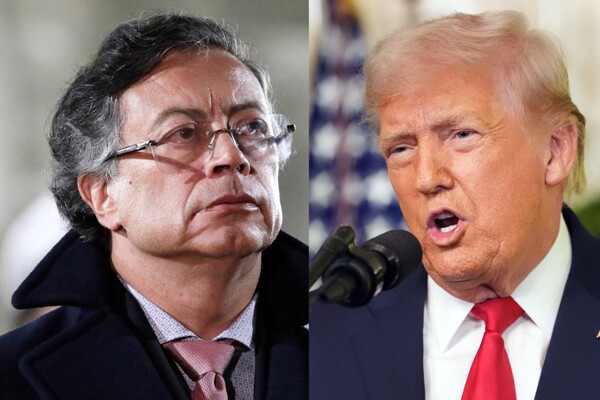
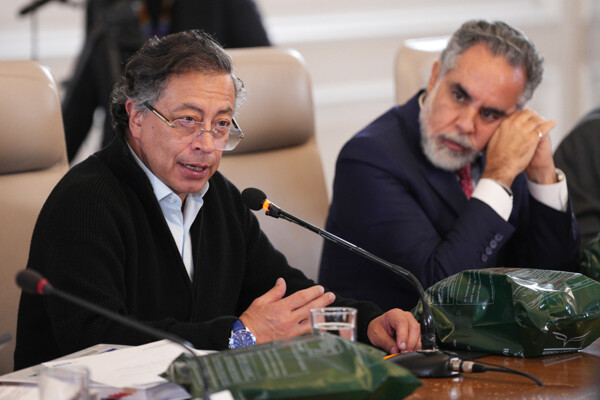
The Chinese giant of fast fashion, characterized by offering surprisingly low-priced apparel, is now expanding to physical stores, and this puts the Colombian business community on the defensive, in this case. President Gustavo Petro also announced on social media that he had asked the Minister of Commerce and Industry to 'remove all tariffs on fabrics and leather to protect and expand textile and leather garment manufacturing, which generates more wealth, more added value, and more jobs. If Colombian garment manufacturing, which has quality, can reduce financial, energy, and input costs, it can become one of the great exporters.'
This was in response to Guillermo Elías Criado, president of the Colombian Chamber of Garment Manufacturing, who justified his request by stating that 'the Colombian fashion system is made up of more than 142,000 micro, small, and medium-sized formal and popular economy enterprises, which generate 2.5 million jobs nationwide. Maintaining tariffs on threads means perpetuating competitive lag and sacrificing thousands of jobs.'
He explained: 'We have seen the silent departure of more than 30 textile companies like Coltejer, Textrama, Unica, Liverpool, Coltepunto, Lindalana, ciatex, fatextol, Unionpunto, Suavipunto, Texmeralda, among others that have closed and today we have 1116 textile companies in insolvency law, such as Fabricato, Textilia, Protela, encajes s.a, fatelastex, among others.'
AgencyNA
Structural Disadvantage n He added that 'today we face a structural disadvantage compared to garments, footwear, leather goods, and textiles imported from Asia, which enter with benefits and country costs much lower than ours.'